

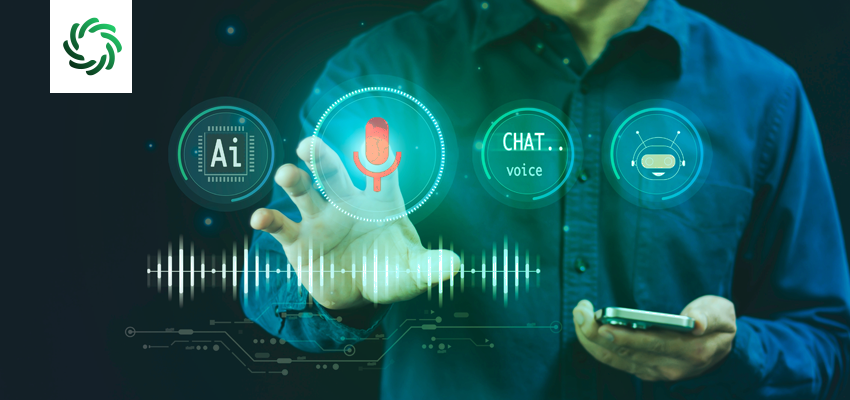
AI-driven Call Insights Aiding Contact Centers Reduce Operational Blind Spots
Most contact centers share a common frustration. They collect enormous amounts of customer interaction data every day. Yet, customer service leaders still struggle to answer fundamental operational questions.
You might notice that customer satisfaction scores are declining. However, your standard metrics do not explain why. This visibility gap occurs because traditional data collection lacks context. Therefore, leaders find themselves managing by guesswork. This is exactly where AI-driven call insights become relevant.
They do not simply generate more reports. Instead, they help reduce operational uncertainty.
What Is AI-Driven Call Insights?
Converting unstructured customer conversations into real-time risk triage requires enterprise-grade AI quality monitoring systems built on microservices. The AI-driven call insights analyze large volumes of interactions to identify critical patterns.
Consequently, leaders can isolate specific behavioral patterns and performance trends. They can spot customer friction signals early. They can also flag immediate compliance risks and escalation drivers. The primary objective here is not just deeper analysis. Ultimately, the goal is better operational decision-making.
Why Traditional QA Leaves Leaders with Incomplete Evidence?
Most contact centers review only a tiny fraction of their calls. QA teams usually sample one or two percent of interactions per agent. This practice creates massive operational consequences.
First, something breaks but nobody knows where. Issues surface only after customer impact occurs. Second, escalations arrive before you see the signal. You discover problems through complaints rather than proactive monitoring.
Furthermore, coaching becomes highly subjective. Managers base feedback on isolated examples. This creates friction because small samples distort true performance. Consequently, compliance investigations remain reactive. Risks are discovered after exposure occurs. Sampling does not only create visibility gaps. It creates severe decision risks.
Why More Call Data Does Not Automatically Create Better Decisions?
Many organizations believe that more recordings mean better understanding. Therefore, they purchase massive storage drives. They collect call recordings, QA scorecards, survey results, and CRM data.
Yet, uncertainty remains high. Data alone does not change behavior. Leaders need a framework to move from basic information to concrete action.
Most organizations collect data. Fewer generate insights. Even fewer support actual operational decisions.
Six Operational Questions AI-Driven Call Insights Help Answer
To eliminate uncertainty, leaders must answer specific questions. This capability serves as the foundation for modern quality governance.
1. What changed before customer satisfaction started declining?
You cannot afford to wait for monthly reports. This technology flags emerging behavior patterns and sudden process shifts. For instance, a small change in software might confuse agents. You can catch this trend on day one.
2. Which customer friction points drive repeat contacts?
Repeat calls drive up operating costs. They also destroy customer retention. This system uncovers journey bottlenecks. Consequently, you can fix the root process failure.
3. Are compliance failures isolated incidents or emerging patterns?
Manual sampling misses systemic compliance errors. However, automated analysis tracks every interaction. This guarantees audit readiness and protects your organization from costly regulatory fines.
4. Why do some agents consistently outperform others?
Top performers possess specific habits. By identifying these positive behavioral differences, you can improve your coaching intelligence. Managers can then replicate these successful behaviors across the entire team.
5. Which escalations could we identify earlier?
Customer churn is expensive. Automated alerts find risk signals before a customer demands a supervisor. Therefore, your team can intervene and salvage the relationship.
6. Can leadership defend performance decisions with objective evidence?
Subjective metrics cause internal misalignment. Leaders need solid evidence for vendor management and executive accountability. Clear data removes the emotion from performance reviews.
Why AI-driven Call Insights Matter As Contact Centers Scale?
Scale multiplies your operational problems. As interaction volumes increase, you add more agents and channels. Complexity grows rapidly.
Suddenly, your compliance obligations double. The core issue is not a lack of reporting. The true problem is that you have too many interactions to understand manually. Therefore, advanced analysis becomes an operational necessity. It provides a reliable mechanism for quality governance.
When Insights Become Operational Intelligence?
Many organizations successfully identify customer patterns. However, the harder challenge is determining what action should follow. We must clarify the distinction between data and execution.
Insights answer the question: What happened? For example, an insight might show that escalations increased by 18%.
Operational intelligence answers the question: What should we do next? It shows that escalations increased because a specific billing policy change confused a customer segment. Therefore, it supports direct accountability.
What To Evaluate In an Analytical Platform?
When choosing a platform, look past basic feature checklists. Instead, evaluate capabilities from an executive perspective. Ask these six critical questions:
- Can it explain exactly why performance changed?
- Can it reduce your dependence on manual sampling?
- Can it surface emerging risks before customers report them?
- Can leaders defend operational decisions using the evidence?
- Can it connect specific interaction behavior to business outcomes?
- Can it support governance across multiple communication channels?
This framework becomes exceptionally critical during enterprise vendor evaluations where BPO performance management systems protect client retention rates.
From Call Insights to Operational Visibility
Organizations invest in analytics tools because they want to know what is happening, why it is happening, and what action should follow. The strongest quality programs are not built around reviewing more interactions. They are built around reducing operational uncertainty. True operational visibility turns random data points into predictable business execution.
Build a Clearer View of Customer Experience Performance
AIQMS helps organizations move beyond limited sampling and fragmented reporting. We provide broader visibility into interaction quality, coaching opportunities, compliance risks, and customer experience trends.
See how AIQMS helps contact center leaders make decisions with greater confidence through total operational visibility.