

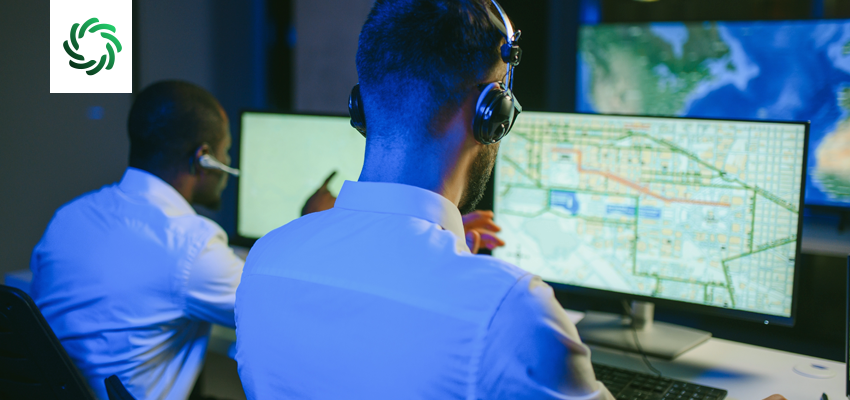
Gaining Visibility with Call Center Monitoring Software in Call Center Operations
Call center leaders need visibility into what happens during customer interactions. Without it, issues surface late—after customers complain, metrics slip, or compliance problems escalate. At the same time, excessive oversight can create friction, reduce agent autonomy, and distort performance behavior.
Call center monitoring software sits at the center of this tension. Its role is to make conversations observable at scale without turning supervision into constant intervention. Understanding what monitoring software actually does—and where its limits are—is essential before treating it as a quality or performance solution.
What Call Center Monitoring Software Is (and Isn’t)?
Call center monitoring software is designed to observe interactions, not to judge them in isolation.
At a high level, monitoring platforms typically focus on:
- Capturing live or recorded interactions
- Making conversations searchable and reviewable
- Providing visibility for supervisors and managers
Modern QMS for call center are not:
- A full quality assurance system on its own
- A coaching or performance management framework
- A substitute for defined QA criteria
Monitoring answers the question “What is happening?”
It does not, by itself, answer “Was this good?” or “What should change?”
Real-time vs Post-Call Monitoring
Most monitoring platforms support one or both of the following modes.
Real-Time Monitoring
Real-time monitoring allows supervisors to:
- Listen to active calls
- Intervene when necessary
- Escalate issues in the moment
This is often used for:
- New agent support
- High-risk interactions
- Live issue resolution
However, real-time visibility is inherently limited by human attention. Supervisors can only monitor a small number of calls simultaneously. With real-time call monitoring drives, contact centers can manage cost reduction.
Post-Call Monitoring
Post-call monitoring focuses on:
- Reviewing completed interactions
- Searching for specific events or phrases
- Analyzing interaction trends over time
This mode supports broader oversight because it is not constrained by live availability.
Core Capabilities Found in Monitoring Software
While features vary by platform, most call center monitoring software includes a common capability set.
Call Recording and Playback
Recording enables supervisors and analysts to:
- Review interactions for context
- Investigate disputes or escalations
- Support coaching conversations
Without structured evaluation criteria, recordings alone provide information but not conclusions.
Keyword and Event Detection
Monitoring tools often allow teams to:
- Flag specific words or phrases
- Identify events such as interruptions or transfers
- Surface calls for further review
These detections highlight where to look, not what to conclude.
Agent and Team-Level Visibility
Dashboards commonly show:
- Call volumes
- Interaction durations
- Basic behavioral indicators
This supports operational awareness but does not replace quality evaluation.
Operational Use Cases for Monitoring Software
Monitoring software is most effective when aligned to specific oversight needs.
Supervisor Oversight
Supervisors use monitoring to:
- Understand daily call patterns
- Identify agents who may need support
- Investigate anomalies
This visibility helps prioritize attention rather than spread it thinly.
Escalation and Risk Identification
Monitoring can surface:
- Repeated customer frustration
- Abnormal call behaviors
- Potential policy deviations
These signals indicate risk presence, not confirmed failures in AI-driven compliance monitoring for regulated contact centers.
Coaching Discovery
By identifying calls worth reviewing, monitoring tools help teams decide which interactions deserve coaching attention, even before formal QA scoring occurs.
Where Monitoring Ends and Quality Assurance Begins
Monitoring and QA are often discussed together, but they serve different purposes.
- Monitoring provides visibility
- Quality assurance provides evaluation
A monitored call is not automatically a scored call. Without QA frameworks:
- Visibility does not translate into improvement
- Data remains descriptive rather than actionable
Monitoring systems typically feed data into QA processes rather than replacing them.
The Role of AI in Modern Monitoring Software
AI is increasingly used to enhance monitoring, particularly where scale exceeds human capacity.
Common AI-assisted monitoring functions include:
- Pattern recognition across large call volumes
- Automated alerting based on defined triggers
- Prioritization of interactions for review
These capabilities help reduce noise by narrowing attention to relevant interactions.
AI in monitoring is generally used to filter and surface information. The AI catches what human QA misses at scale and judge quality without proper framework.
Limitations of Call Center Monitoring Software
Monitoring tools introduce their own challenges when expectations are misaligned.
- Visibility Without Action: Seeing issues does not resolve them. Without processes to respond, monitoring data accumulates without impact.
- Alert Fatigue: Excessive alerts can overwhelm teams, leading to ignored signals and reduced trust in the system.
- Data Fragmentation: When monitoring data is not connected to QA, coaching, or compliance systems, insights remain siloed.
Choosing Monitoring Software Based on Operational Needs
Selecting a call center QMS software requires clarity on intended use. Key considerations often include:
- Team size and call volume: Larger operations need stronger filtering and prioritization
- Use case focus: Live supervision vs retrospective analysis
- Integration expectations: How monitoring data connects to QA or analytics workflows
Monitoring platforms are most effective when scoped narrowly rather than expected to solve every quality challenge.
Monitoring as an Input, Not an Outcome
Call center monitoring software provides observability, not improvement by default. Its value depends on how well teams translate visibility into decisions, coaching, and system changes.
Organizations that treat monitoring as part of a broader quality management ecosystem tend to extract more value than those using it as a standalone oversight tool.
Closing Perspective
Call center monitoring software answers an essential question: What is happening inside customer conversations? It does not answer why it matters or what should change without additional structure.
Used thoughtfully, monitoring enables informed oversight without constant intervention. Used in isolation, it risks becoming a stream of data with no clear direction.
See How Monitoring Connects to Quality Management
Understand how call monitoring insights flow into structured quality evaluation and oversight.