

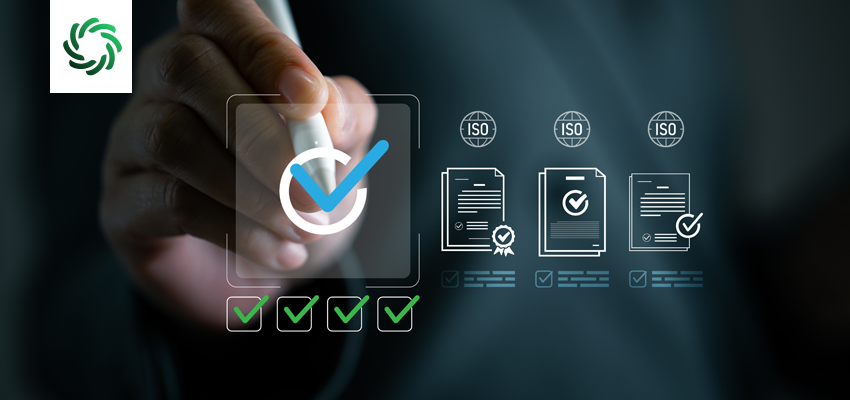
Does Real-time QA Software Support Compliance and Audit Readiness?
Compliance audits are rarely failed because organizations ignore the rules. More often, they fail because quality evidence is incomplete, delayed, or scattered across systems when auditors ask for it.
Traditional quality assurance (QA) models were not designed for today’s regulatory environment. They rely on retrospective reviews, limited sampling, and manual documentation—approaches that struggle to keep pace with continuously evolving compliance requirements. As audit expectations rise, organizations are being pushed to rethink not just how they pass audits, but how they always remain audit ready.
This is where real-time QA software comes as an upgrade. The tools provide live insights begin into compliance management.
Why Traditional QA Models Struggle During Compliance Audits
Most legacy QA frameworks operate on a periodic review cycle. Interactions, processes, or transactions are evaluated days or weeks after they occur. Findings are documented, shared, and addressed later—often long after risks have already materialized.
From an audit perspective, this creates several challenges:
- Sampling gaps: Only a fraction of total activity is reviewed, leaving blind spots auditors increasingly questioned.
- Lagging indicators: Issues are identified after policy breaches have already occurred.
- Manual evidence assembly: Audit preparation becomes a scramble to collect logs, reports, and explanations across teams.
- Inconsistent documentation: QA outcomes may vary depending on reviewer interpretation or timing.
What Are Real-Time QA Insights?
Live quality analysis insights refer to the continuous evaluation of quality and compliance signals as activities occur, rather than after the fact. Instead of waiting for periodic audits or reviews, quality data is generated, analyzed, and logged in near real time.
This does not mean replacing human judgment. Rather, it means augmenting QA teams with systems that can:
- Monitor adherence to defined policies and standards continuously
- Detect deviations as they emerge
- Maintain an ongoing record of quality performance
- Surface patterns that may indicate systemic risk
In practice, real-time QA software shifts QA from a control mechanism into an early-warning system.
How Real-time Quality Assurance Software Builds Compliance Readiness?
Real time compliance QA for call center helps:
Early Risk Identification Before Issues Escalate
When compliance risks are detected in real time, organizations gain the ability to act before those risks compound. Instead of discovering gaps during an audit window, teams can address them while evidence is still fresh and corrective action is simpler. This proactive posture aligns closely with what regulators expect: not perfection, but demonstrable control and responsiveness.
Continuous Documentation Instead of Audit-time Reconstruction
Auditors look for evidence that policies are not only defined but followed consistently. Automated compliance auditing systems generate documentation as part of daily operations, creating an always-on audit trail.
Rather than reconstructing events retroactively, organizations can present:
- Time-stamped quality evaluations
- Logged policy adherence checks
- Recorded corrective actions and follow-ups
Continuous documentation reduces reliance on subjective explanations and strengthens confidence in reported controls.
Clear Visibility into Policy Adherence
Traditional QA often focuses on outcomes. Real-time QA focuses on process compliance on how decisions were made, whether required steps were followed, and where deviations occurred.
This matters because many audits are less concerned with isolated failures and more concerned with systemic weaknesses. AI-based quality management for audit helps surface those weaknesses early, when they are still manageable.
Reduced Audit Disruption Across Teams
Audit preparation often diverts operational teams from their core work. When QA insights are already structured, searchable, and aligned with compliance requirements, audit requests become retrieval exercises, not investigative projects.
Moving From Reactive Audits to Continuous Audit Readiness
A key shift enabled by real-time QA is the move from event-based compliance to continuous readiness.
In reactive models:
- Audits trigger QA activity
- Gaps are discovered late
- Remediation is rushed
In continuous compliance and risk detection models:
- QA runs alongside operations
- Evidence accumulates organically
- Audits validate existing controls
This reframing changes how compliance is perceived internally. Instead of being an external obligation, it becomes a byproduct of disciplined operations.
What Auditors Typically Expect from Real-time QA Software?
While requirements vary by industry and regulation, auditors consistently assess a few core areas:
Traceability
Can actions be traced back to defined policies and procedures?
Real-time QA systems link operational behavior directly to policy checkpoints, making traceability easier to demonstrate.
Consistency
Are rules applied uniformly across teams and time periods?
Continuous QA reduces reviewer subjectivity and highlights deviations from standard practice.
Evidence of Control
Are controls active, monitored, and adjusted when necessary?
Real-time insights show that controls are not static documents but living mechanisms.
Corrective Action
When issues arise, are they acknowledged and addressed?
Logged remediation actions strengthen audit narratives and demonstrate accountability.
Applying Real-time QA in Regulated Environments
- Financial Services: In highly regulated financial environments, compliance failures often stem from process drift rather than intent. Continuous QA helps identify deviations early and maintain consistent standards across large operational teams.
- Contact Centers: For customer-facing operations, real-time QA can monitor adherence to scripts, disclosures, and behavioral guidelines—areas frequently scrutinized during audits.
- Healthcare and Other Regulated Operations: Where documentation accuracy and procedural compliance are critical, real-time QA supports both regulatory readiness and operational quality.
Role of AI-Driven Quality Management Systems
Modern AI-driven quality management systems are designed to support this shift toward continuous compliance by automating large portions of monitoring, evaluation, and documentation.
AI QMS solutions enable organizations to move from sampled reviews to broader, real-time quality visibility without overwhelming QA teams.
It is important to note that technology alone does not ensure compliance. Governance, policy clarity, and human oversight remain essential. AI-driven QA systems are best understood as infrastructure for consistency, not replacements for accountability.
Conclusion
Real-time QA software does not eliminate audits, prevent every failure, or guarantee compliance outcomes. They provide a more controlled, transparent, and defensible compliance posture.
When quality is monitored continuously, audits become confirmations of existing discipline rather than stress tests of organizational memory. For teams operating in regulated environments, this shift can mean fewer surprises, clearer accountability, and a more sustainable approach to compliance management.
For teams exploring real-time QA insights for operations and compliance readiness can reach Ominds for a detailed walkthrough.